Between Light Traces & the Archive
2026 - SPECTRUM PROJECT SPACE - Perth, WA
OPENED BY:
- Professor Clive Barstow, ECU
- Dr Nicola Kaye, ECU
VENUE:
- Spectrum, ECU City Campus Level 7, Room 1S.707, 500 Wellington Street, Perth
WORKS IN EXHIBITION:
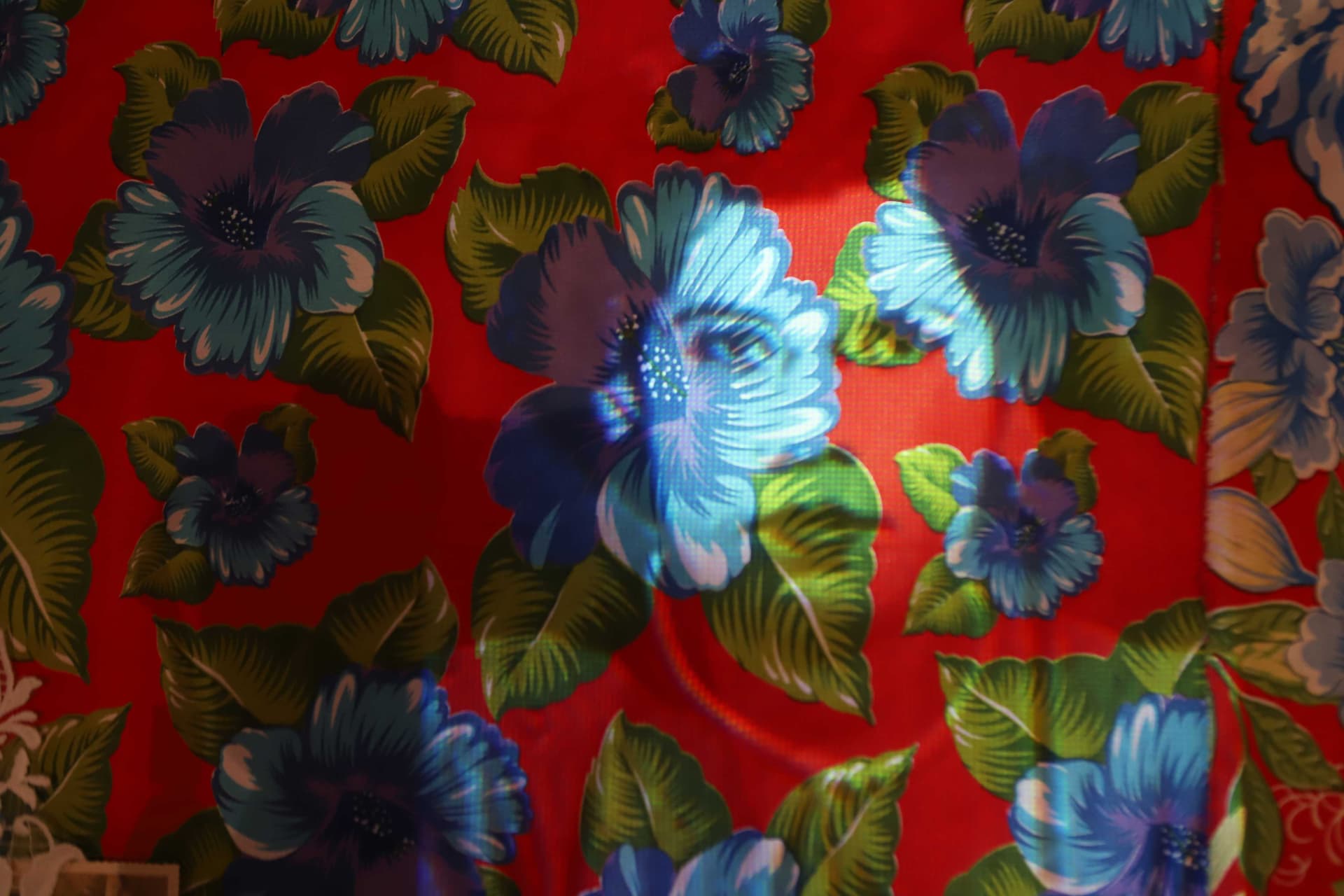
- Chita fabric
- Familial archive photographs
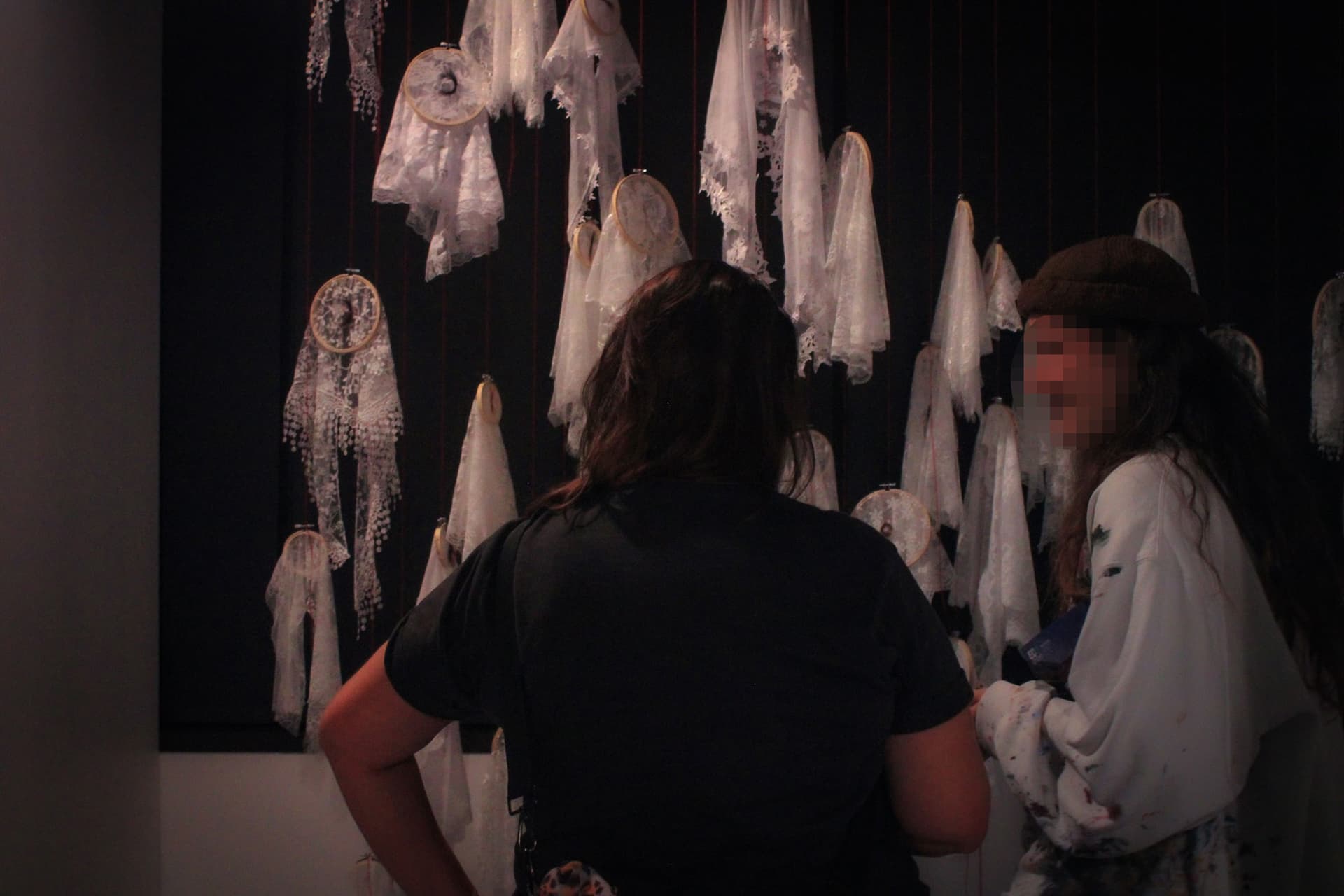
- Lace
- Back-lighting
- Hammocks
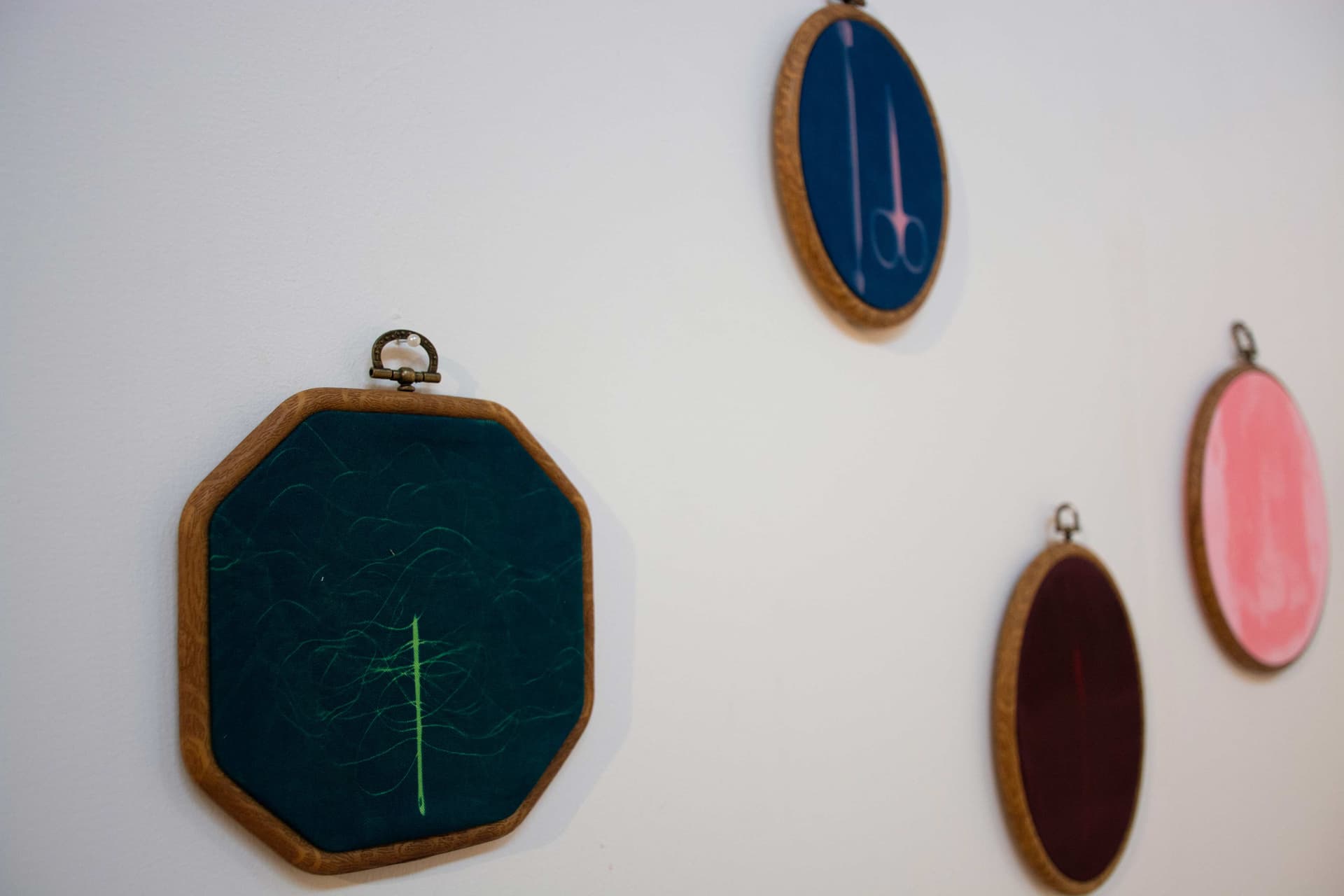
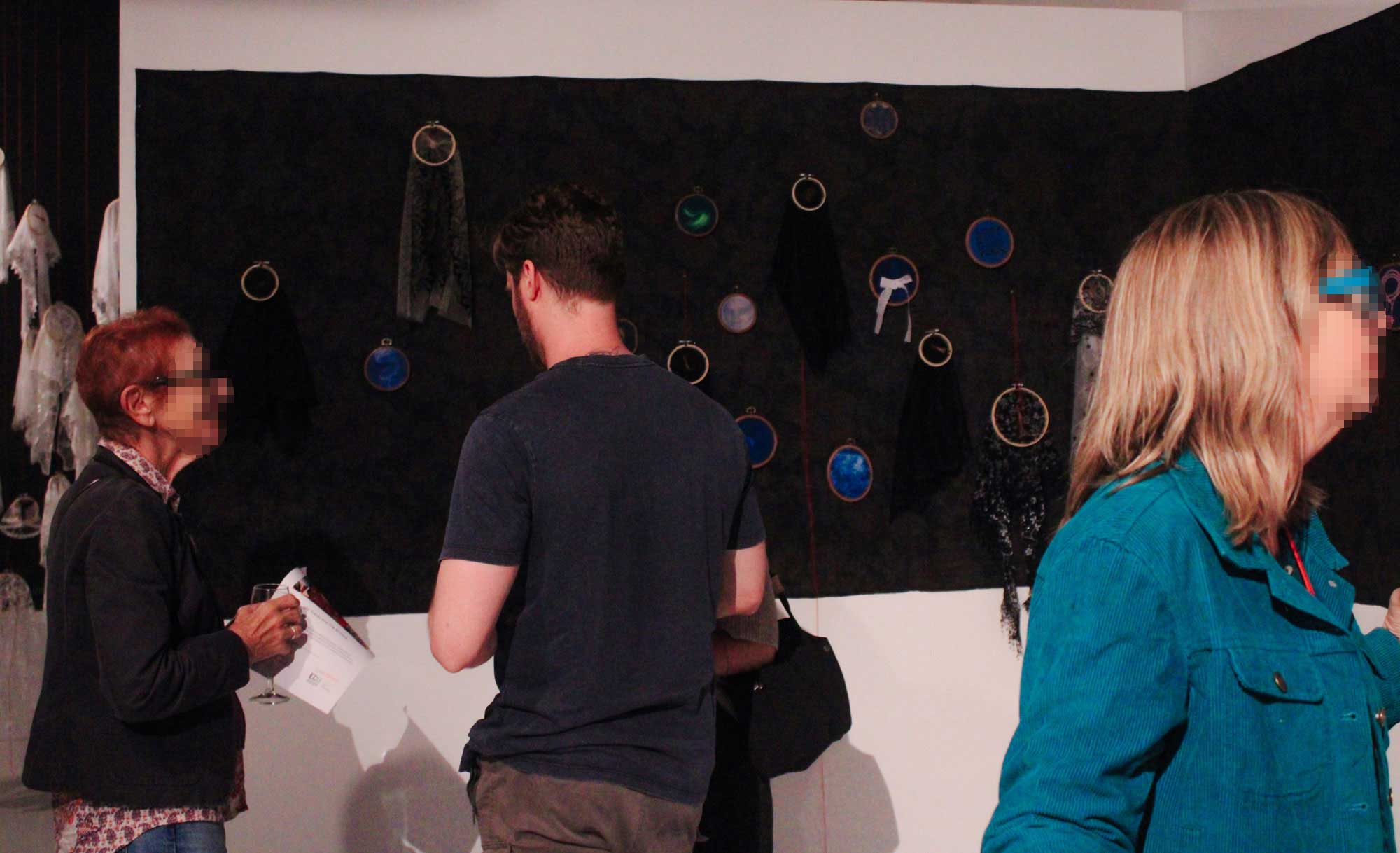
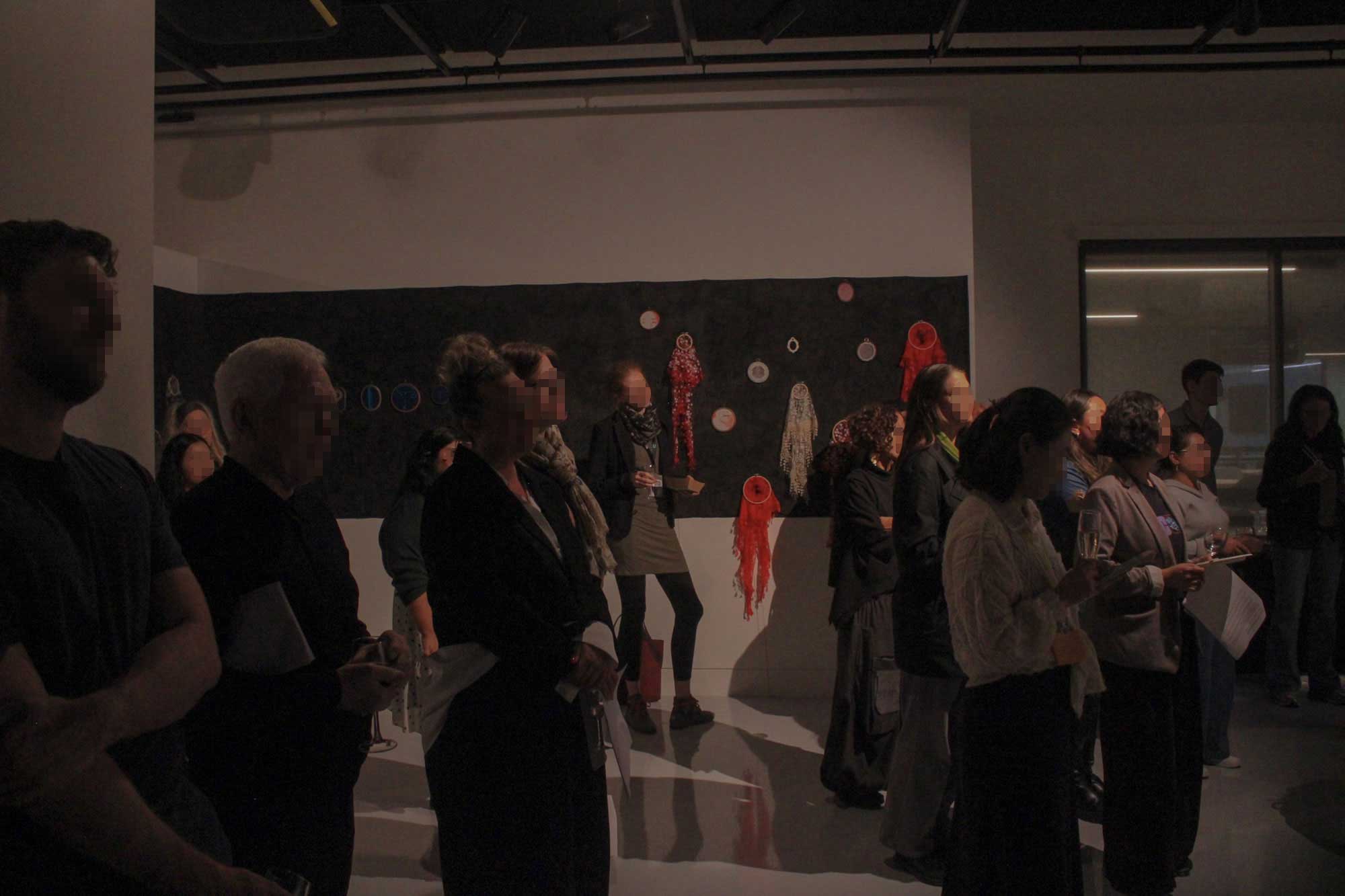
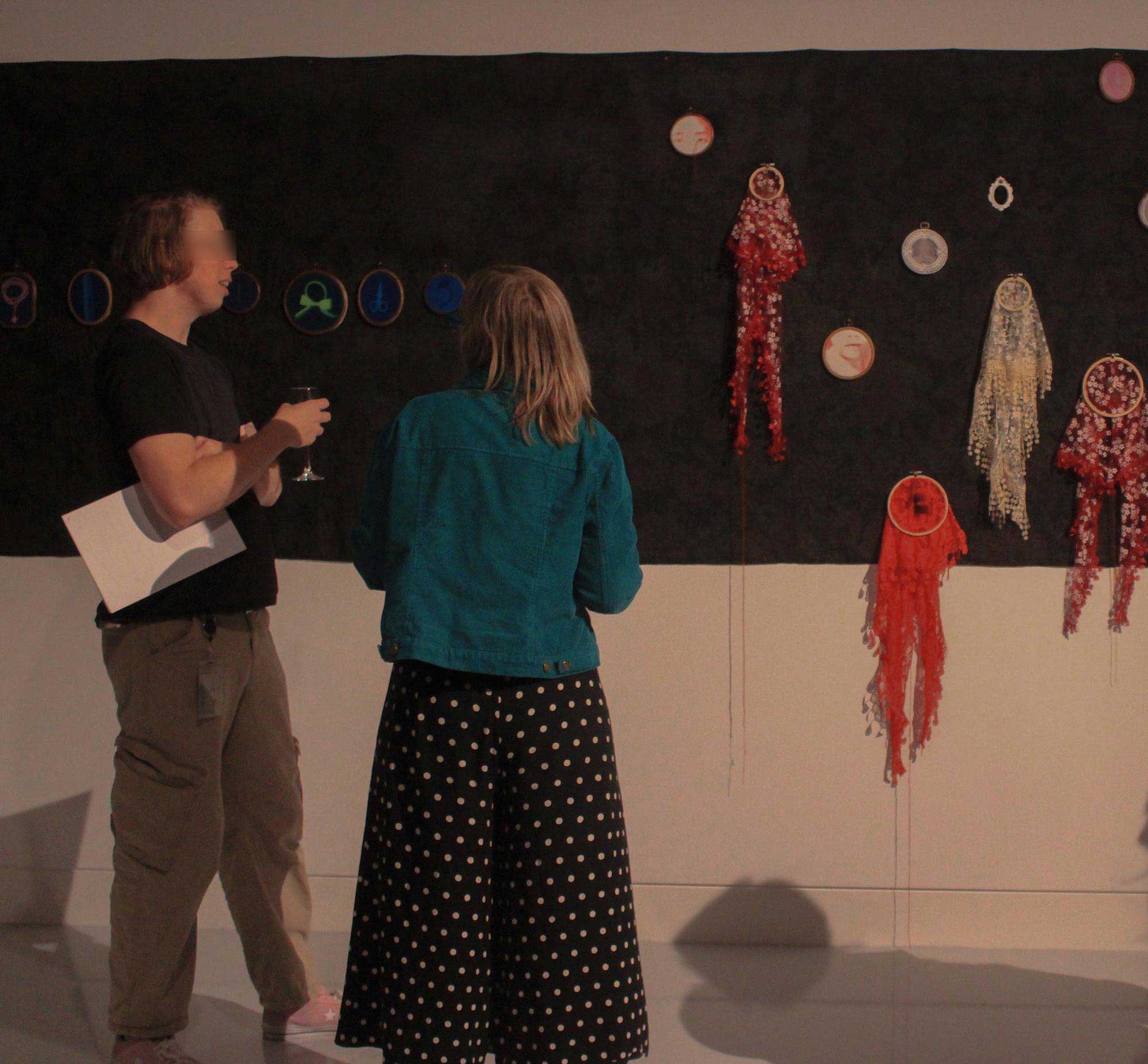
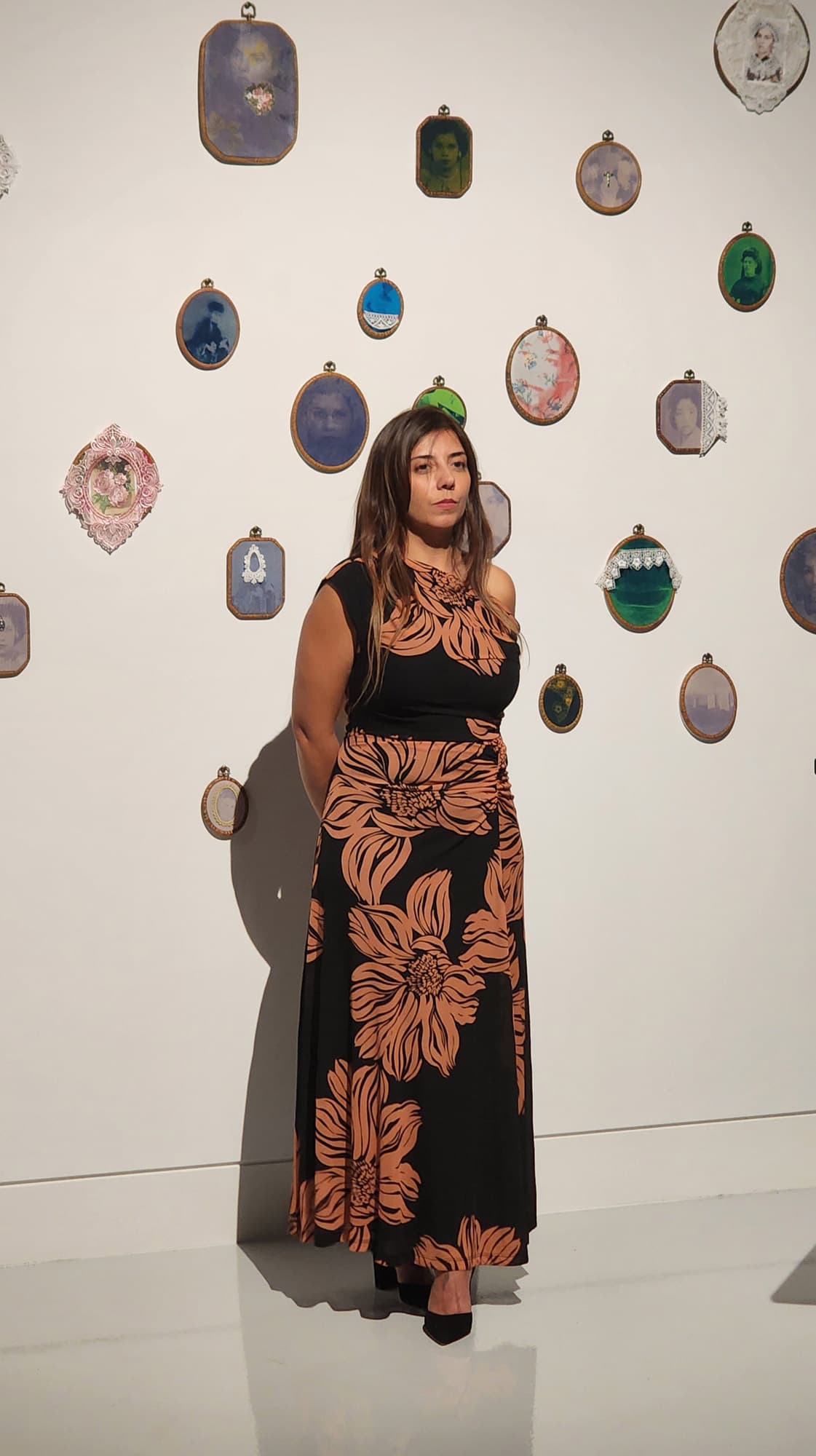
- Cyanotype embroidery hoops
- Plaster frame with human hair
- Embroidery hoops with Catholic veils and human hair,
- Acrylic block
- Veil
- Familial archive photographs printed on transparencies
Dimensions: Variable
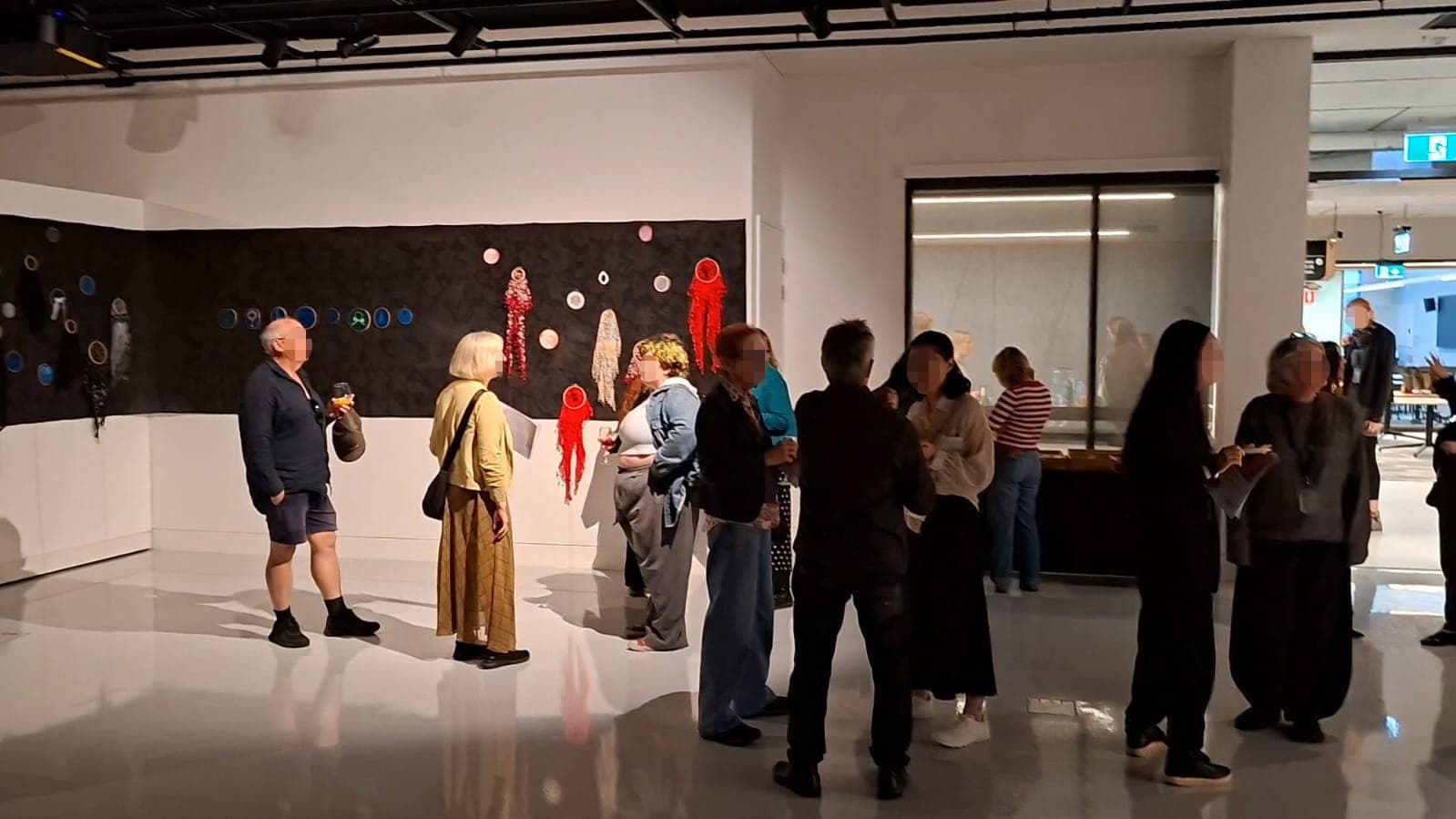
Enter a chamber of memory and light, where family photographs, embroidered traces, and suspended fabrics weave together stories of migration between Brazil and Australia. Step through the veils into an intimate archive of bodies, devotion, and belonging.
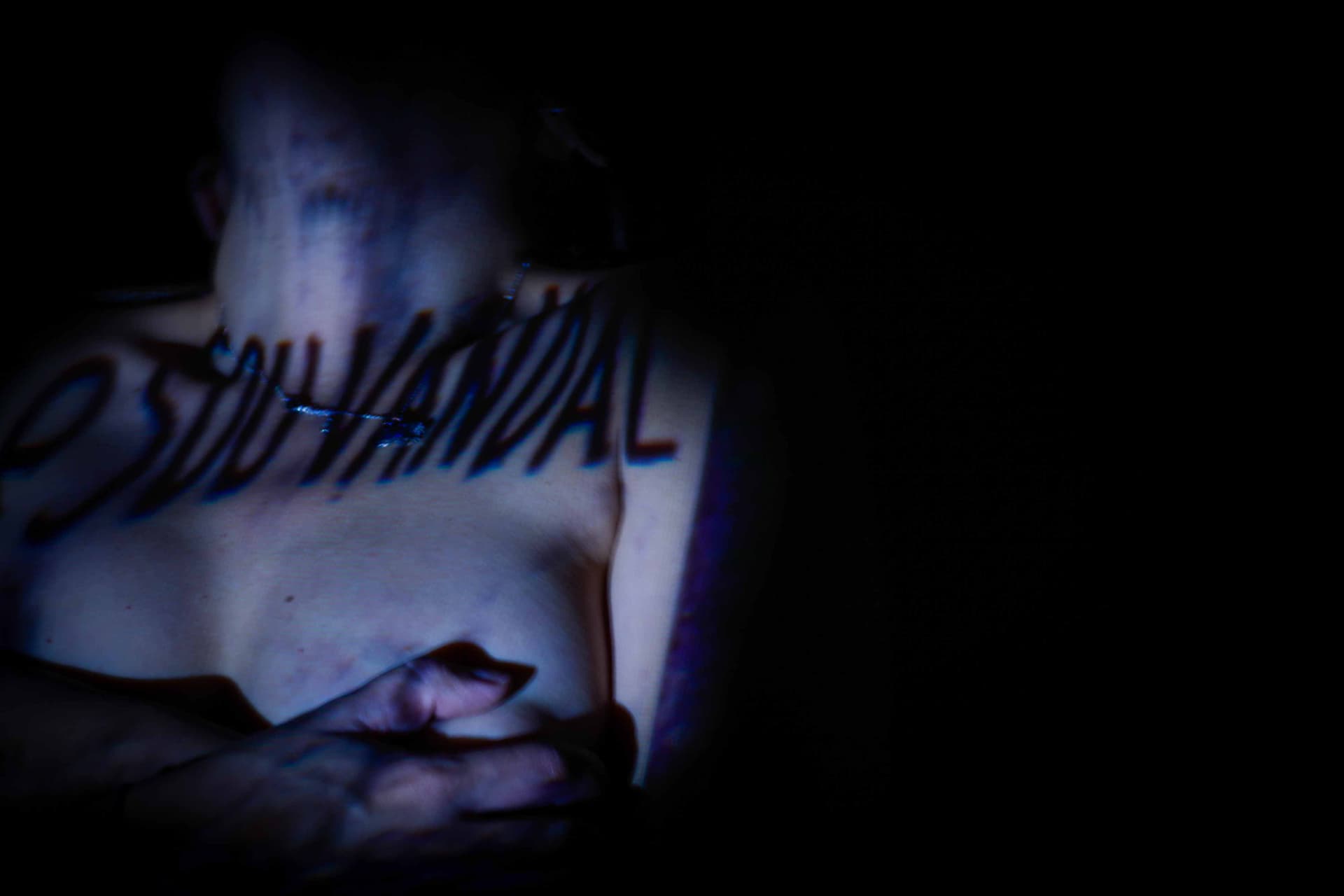
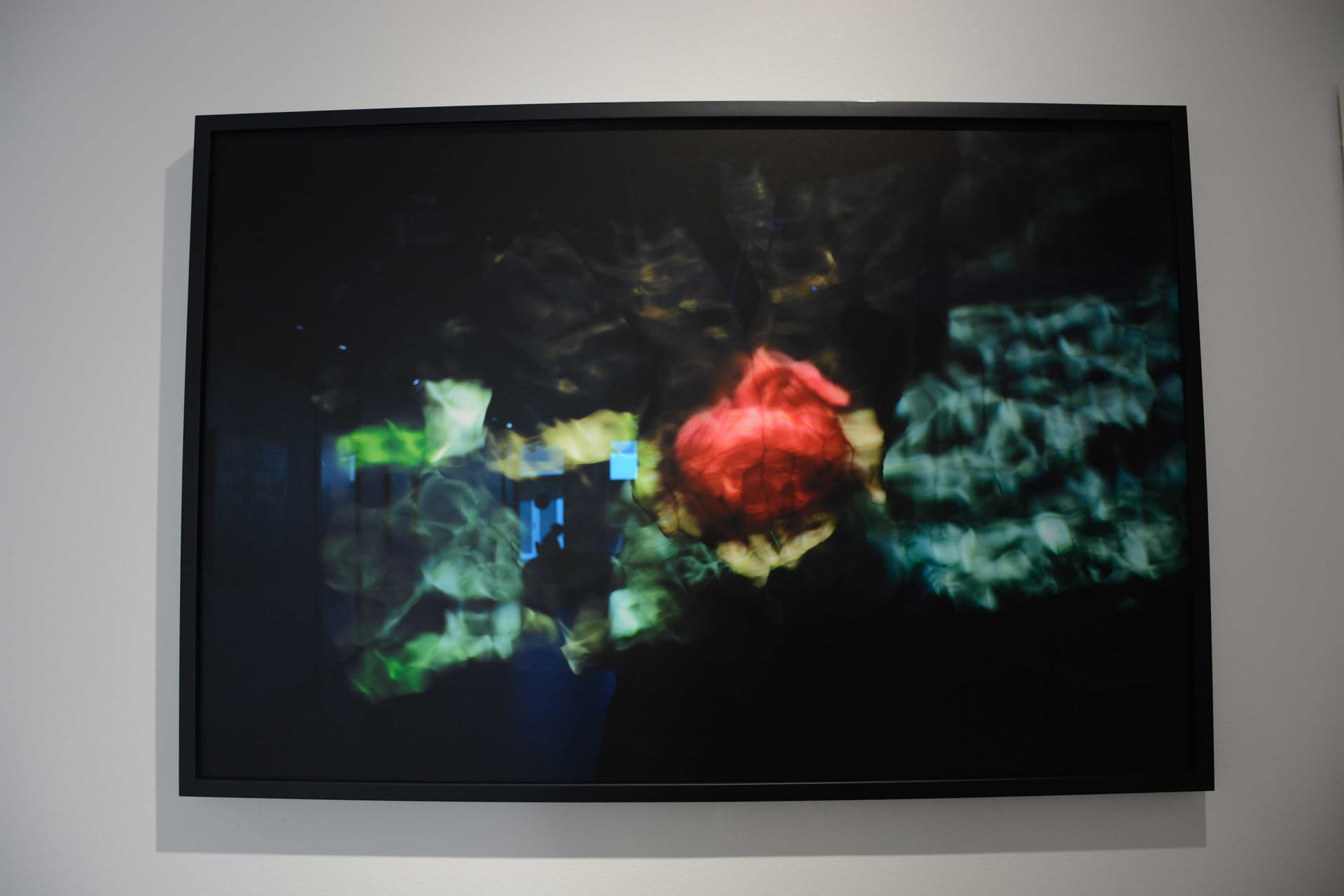
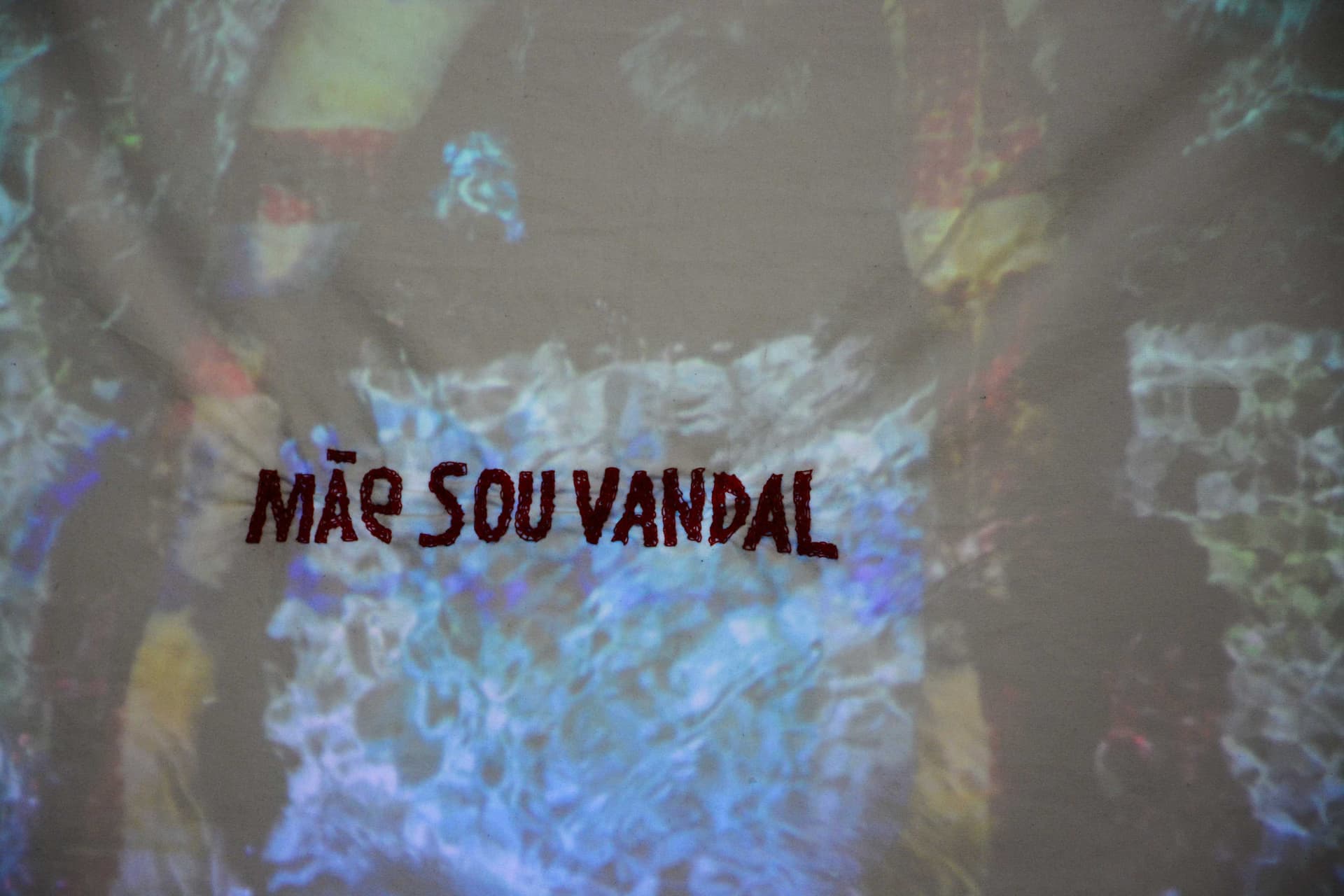
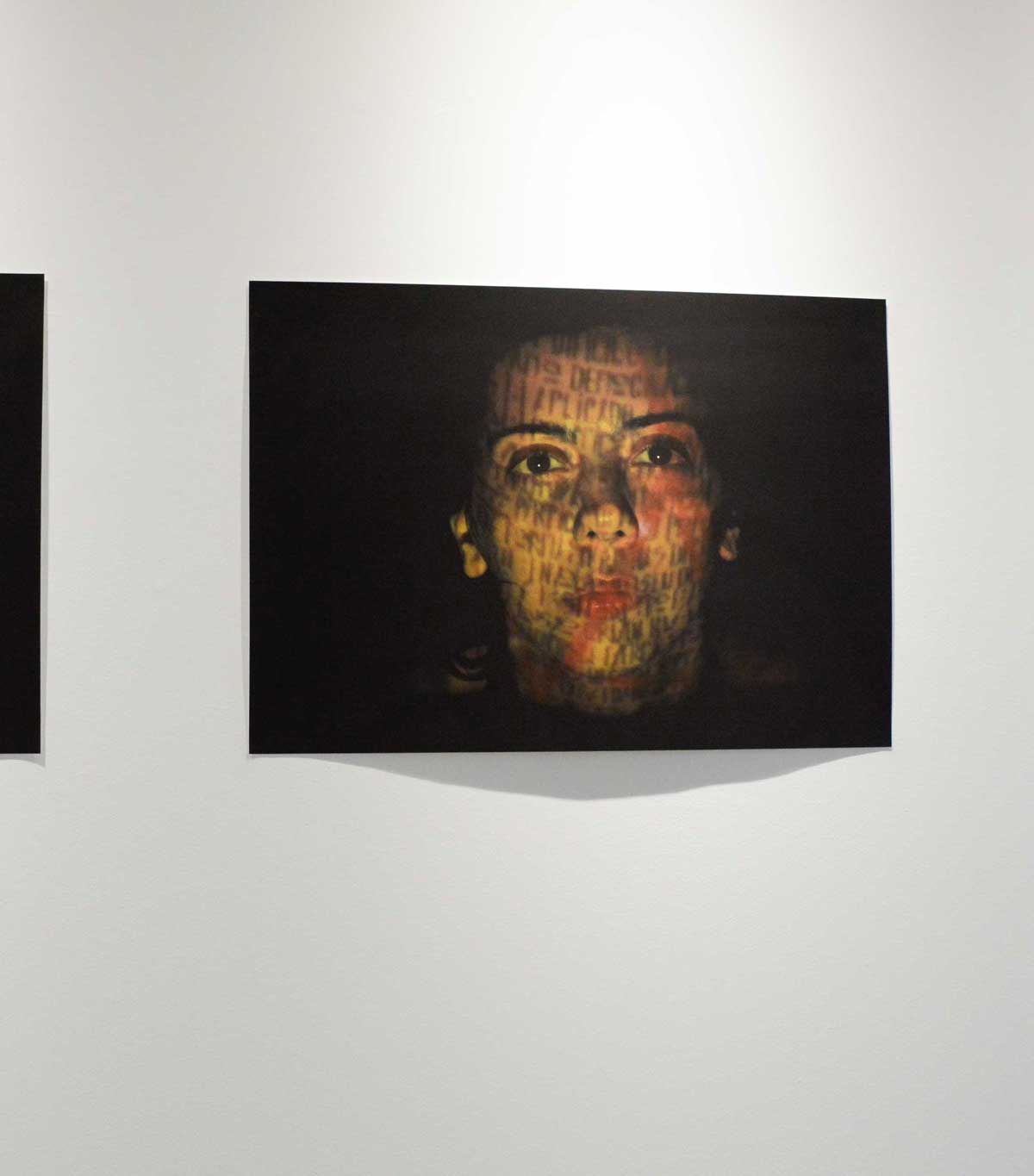
Between Light Traces and the Archive is an immersive multimedia installation that enters a chamber of memory and light. Photographs are not simply displayed but transformed — stitched into, layered, and projected across fabric and space. Through these material gestures, personal and collective memory becomes tactile, holding the weight of lives lived across borders, languages, and generations.
The installation's layers of image, texture, and light unfold as an experience of remembrance, cultural negotiation, and connection — offering an encounter with histories that are at once deeply personal and universally felt.
An Encounter with the Living Archive
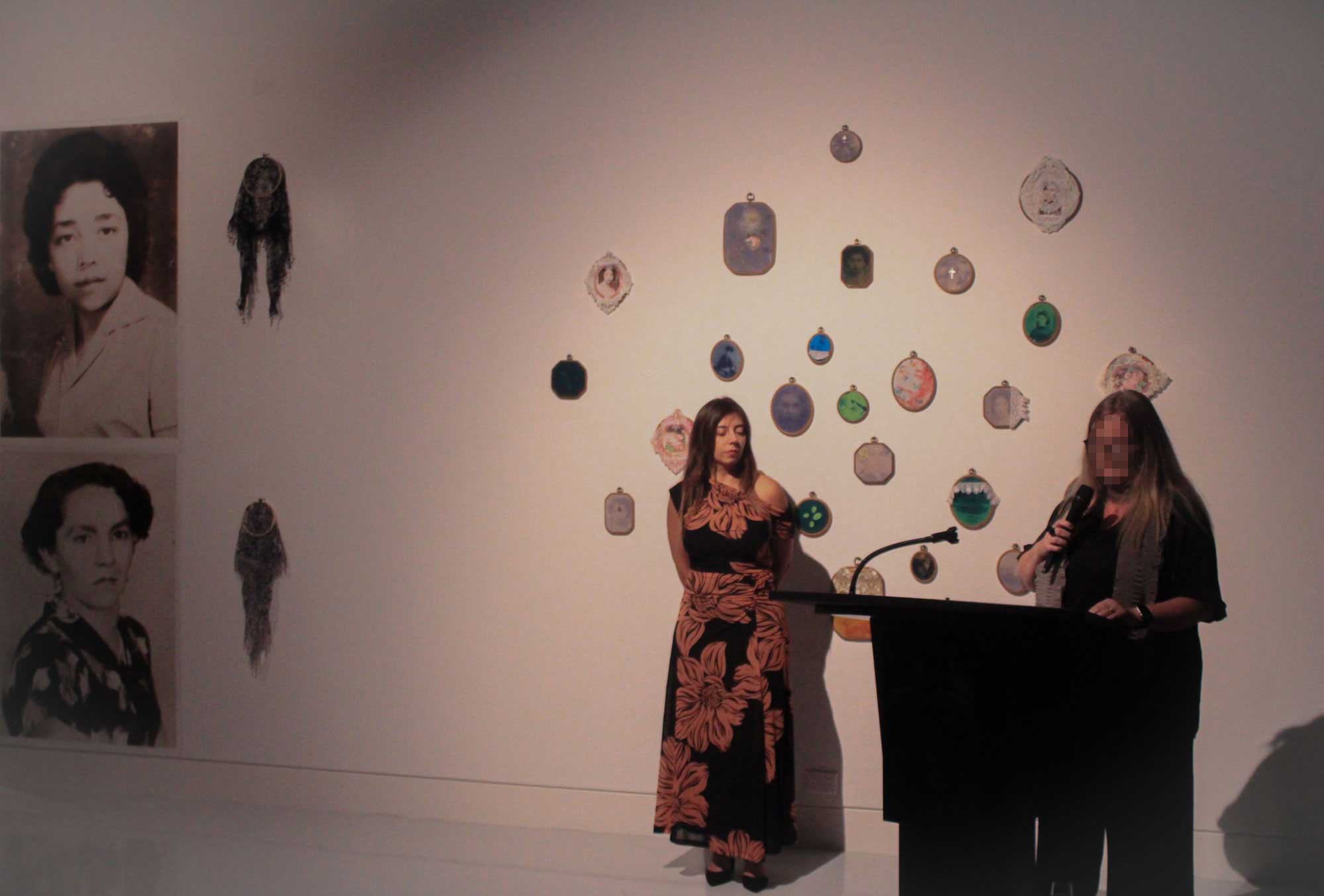
The work draws on Amorim's personal experience of migration between Brazil and Australia, using the family photograph as its central subject — not as a static document, but as a living, malleable object. Photographs have been stitched into, printed onto transparent sheets, transferred onto fabric, and suspended throughout the space, so that image and material become inseparable.
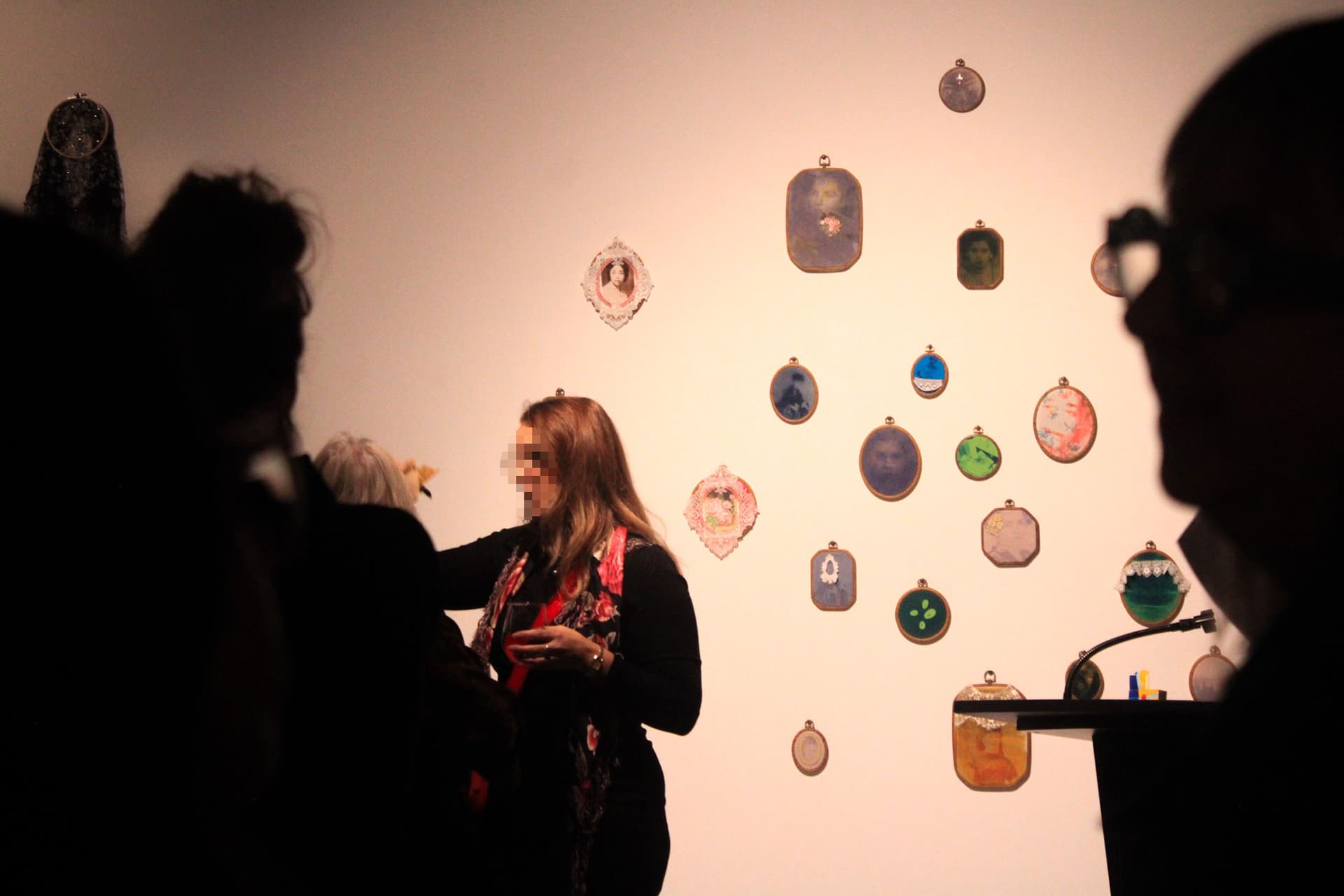
Among the techniques employed is the cyanotype process — one of the earliest forms of photographic printing — mounted on embroidery hoops and distributed throughout the installation, alongside hammocks, lace, Catholic veils, human hair, and chita — a vibrantly patterned Brazilian cotton fabric. Each of these materials carries cultural and bodily significance: objects worn, held, slept in, and passed between generations.
The installation does not present memory as something fixed or retrievable. Instead, it treats memory as layered, partial, and contingent — something experienced differently depending on where you stand, how the light falls, and what you bring to the encounter yourself.